


 english (AE)
 bosanski
 български
 белорусский
 中文
中文 český
český deutsch
 eesti
eesti english
 suomalainen
 français
 ελληνικά
 hrvatski
 magyar
 hindi
hindi latvijas
 norsk
norsk polski
 românesc
 srpski
 русский
 svenska
 slovenski
 slovaški
 українська
 lietuvių
SYSTEMKAN-therm
SteelFittings
Range of diameters 12-108 mm
Application

- Home
- /
steel
- /
fittings
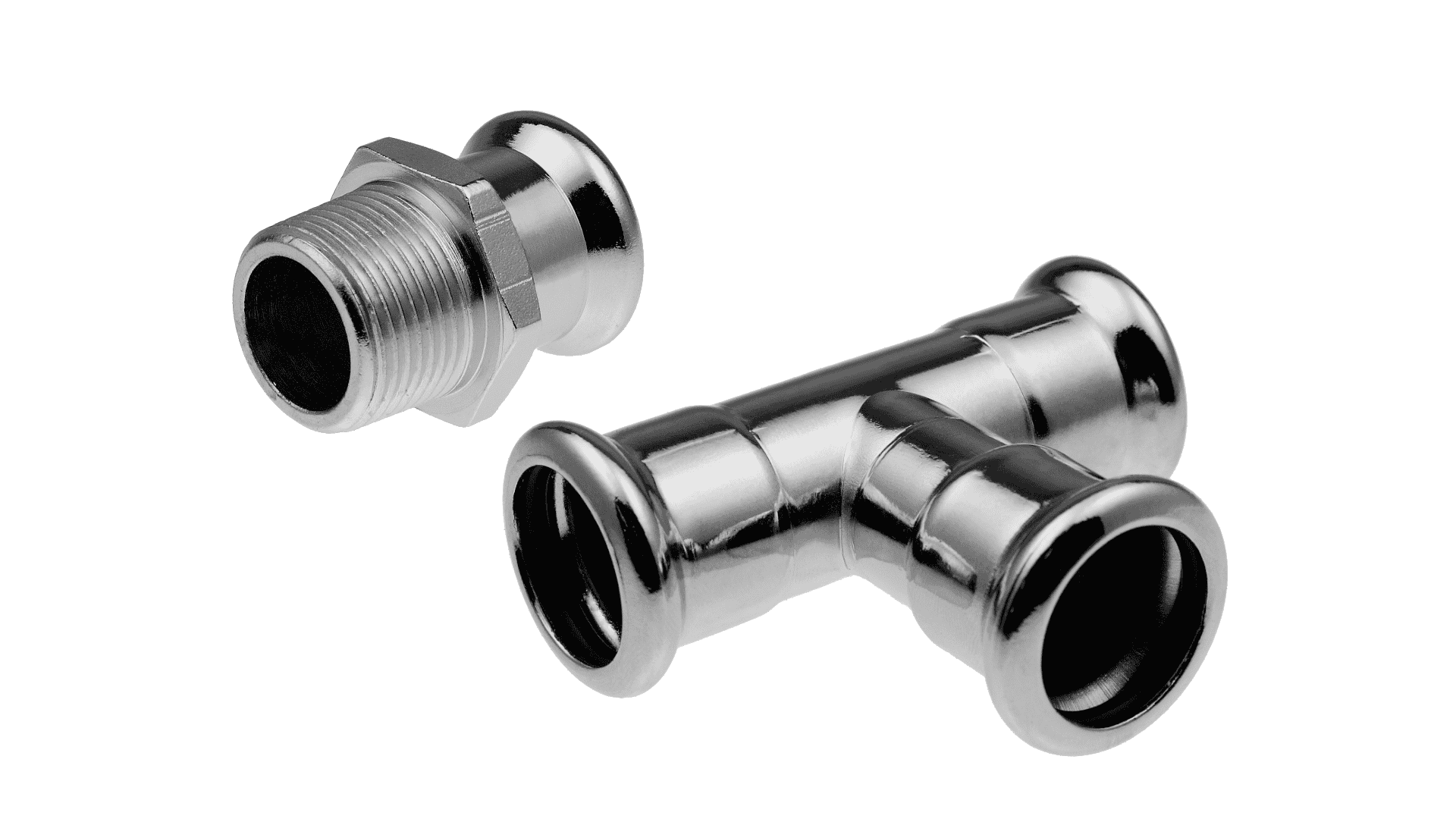
The fittings of System KAN-therm Steel are made of the same material as the pipes:
– RSt 34–2 carbon steel, material number 1.0034 as per DIN EN 10305–3.
Similarly to pipes, fittings are also secured against corrosion with a layer of galvanized zinc-plating applied on the external surfaces of all elements.
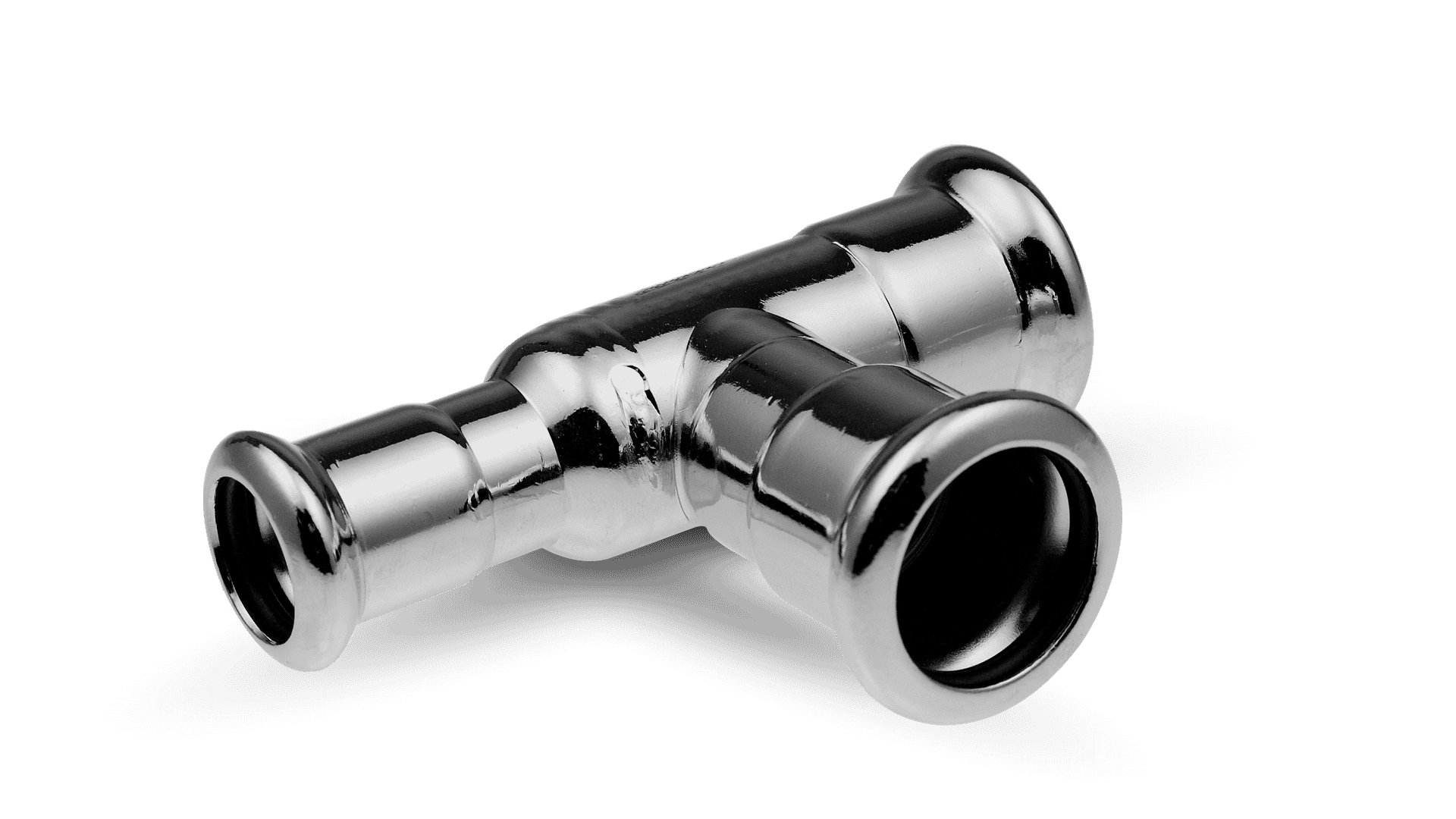
Alternative to welding
The “Press” technology applied in System KAN-therm Steel makes it possible to quickly make reliable joints by pressing the connectors with generally available crimping tools, eliminating the need to bolt or weld individual system elements. Thanks to this solution, the process of assembling an installation, even with large-diameter pipes and fittings, is reduced to the absolute minimum.
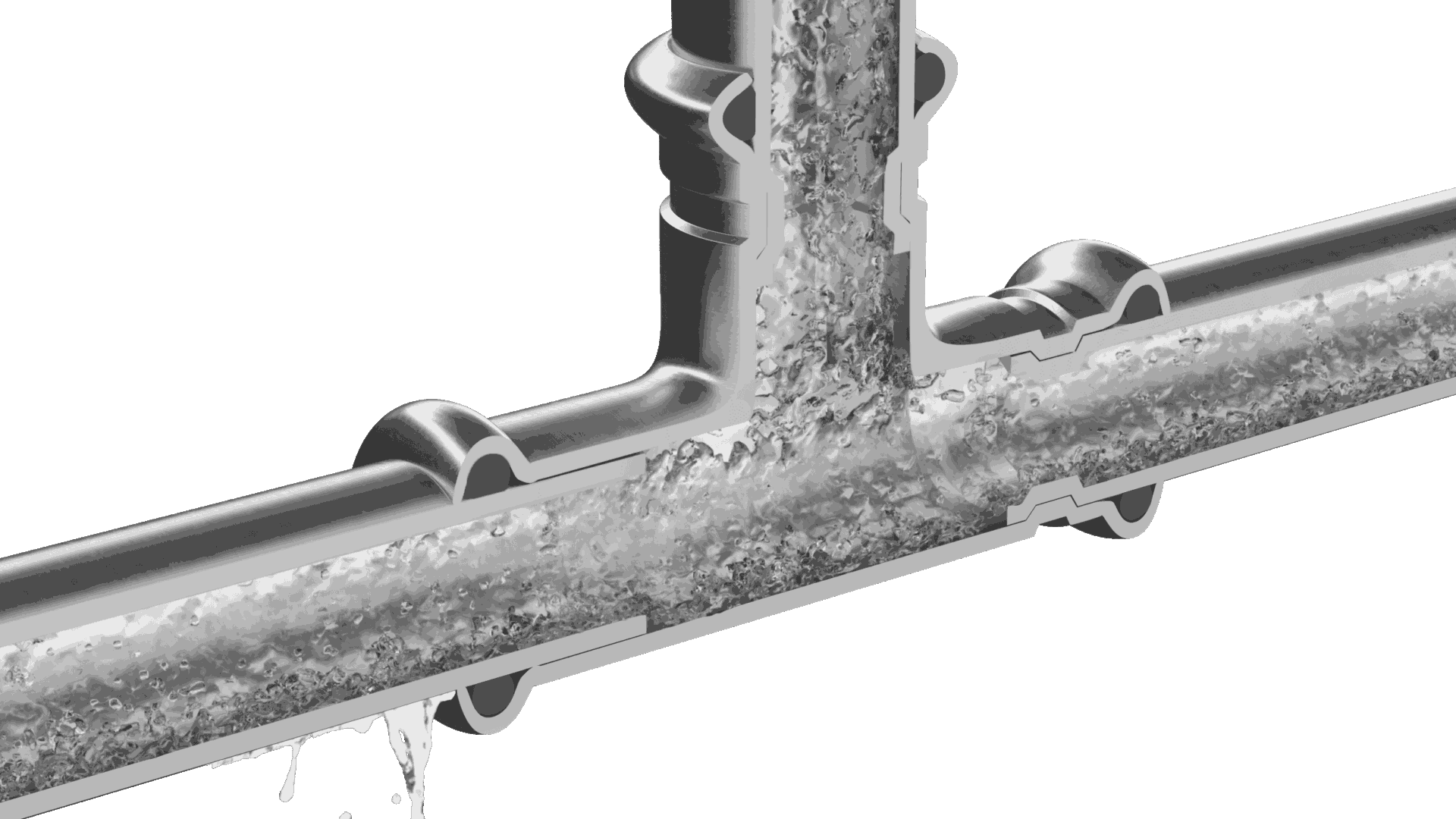
"PRESS" installation technology
Joining system elements in the “Press” technology makes it possible to obtain joints with minimum pipe cross-section narrowing, which considerably reduces pressure loss in the entire installation and produces excellent hydraulic conditions.
Tightness and reliability of joints in System KAN-therm Steel is guaranteed by special O-ring seals and the four-point “M” type crimping system.
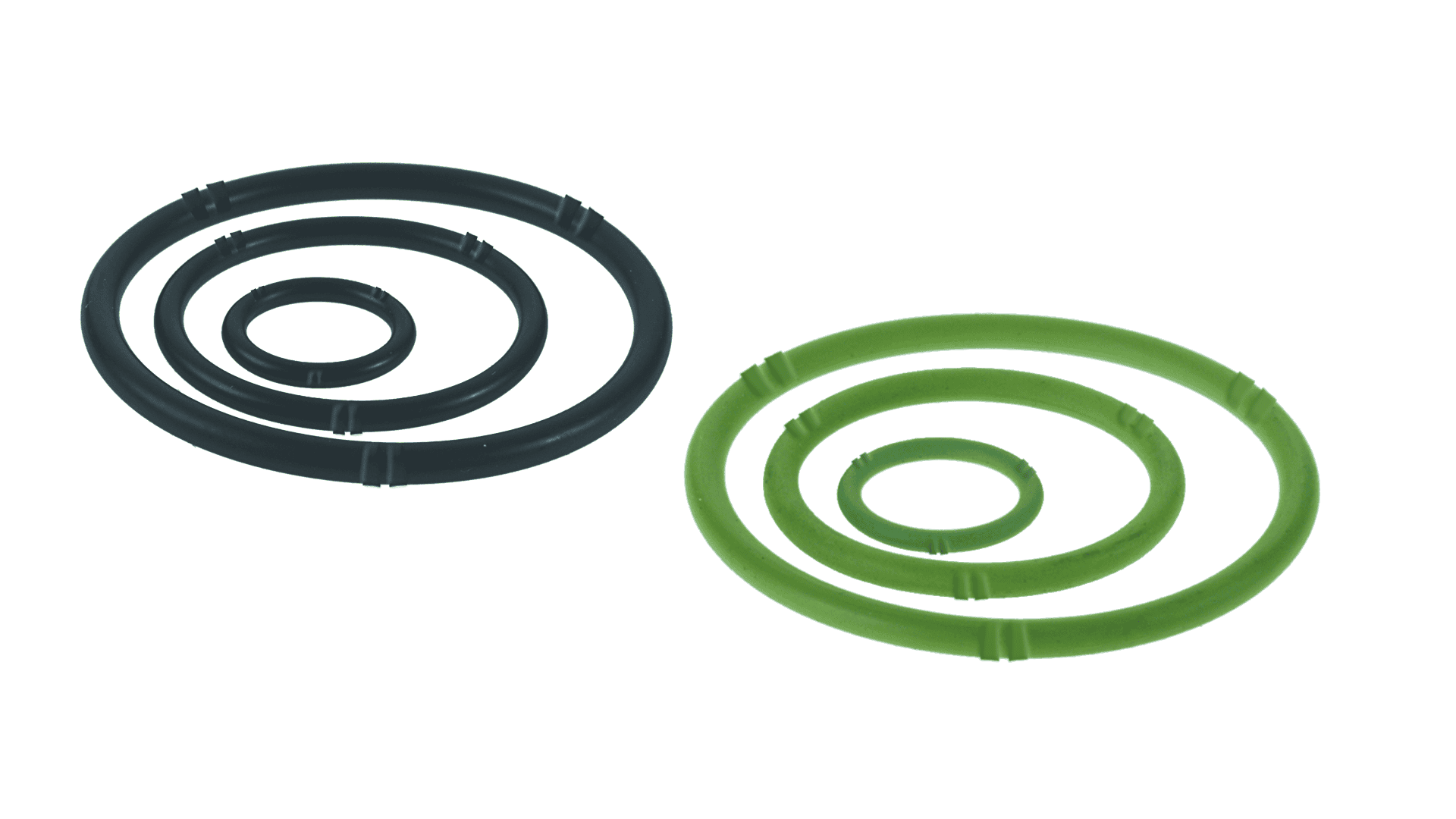
O-ring seals
Resistance to high pressure and temperature
The fittings of System KAN-therm Steel are equipped with special O-ring seals as standard. Depending on the operating parameters required for the system and the type of medium transported, fittings may be equipped with two types of O-rings: EPDM (factory-mounted), and FPM/Viton (replaced by the customer).
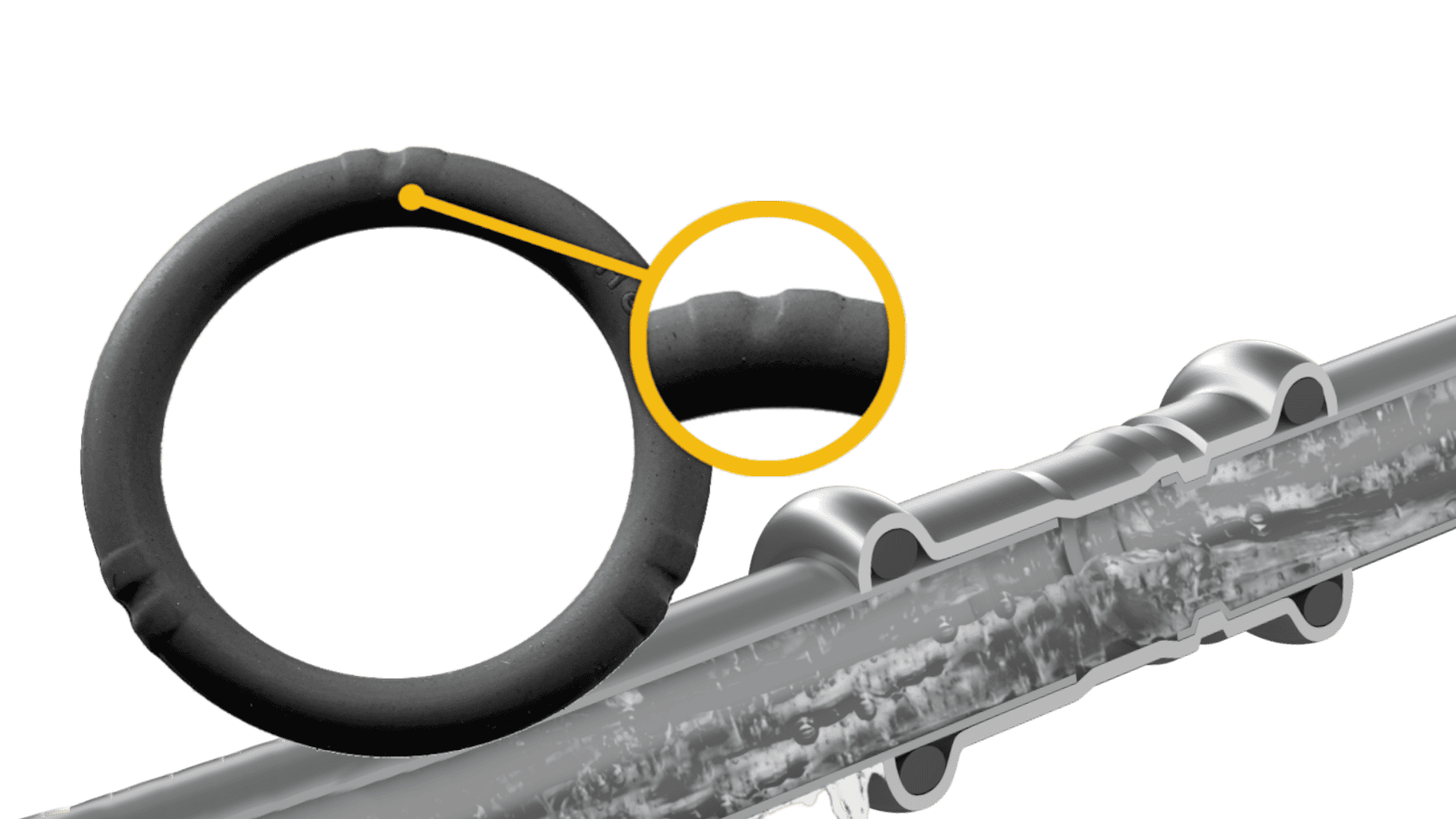
Signalling function of unpressed joints LBP
All fittings of System KAN-therm Steel are equipped with the LBP function (signalling unpressed joints).
LBP – Leak Before Press “unpressed = not tight”
unpressed joints are not tight and therefore easy to locate.
The LBP function is performed by specially designed O-rings. Thanks to the special grooves, LBP O-rings make it possible to easily check the joints during the pressure test – unpressed joints will leak.
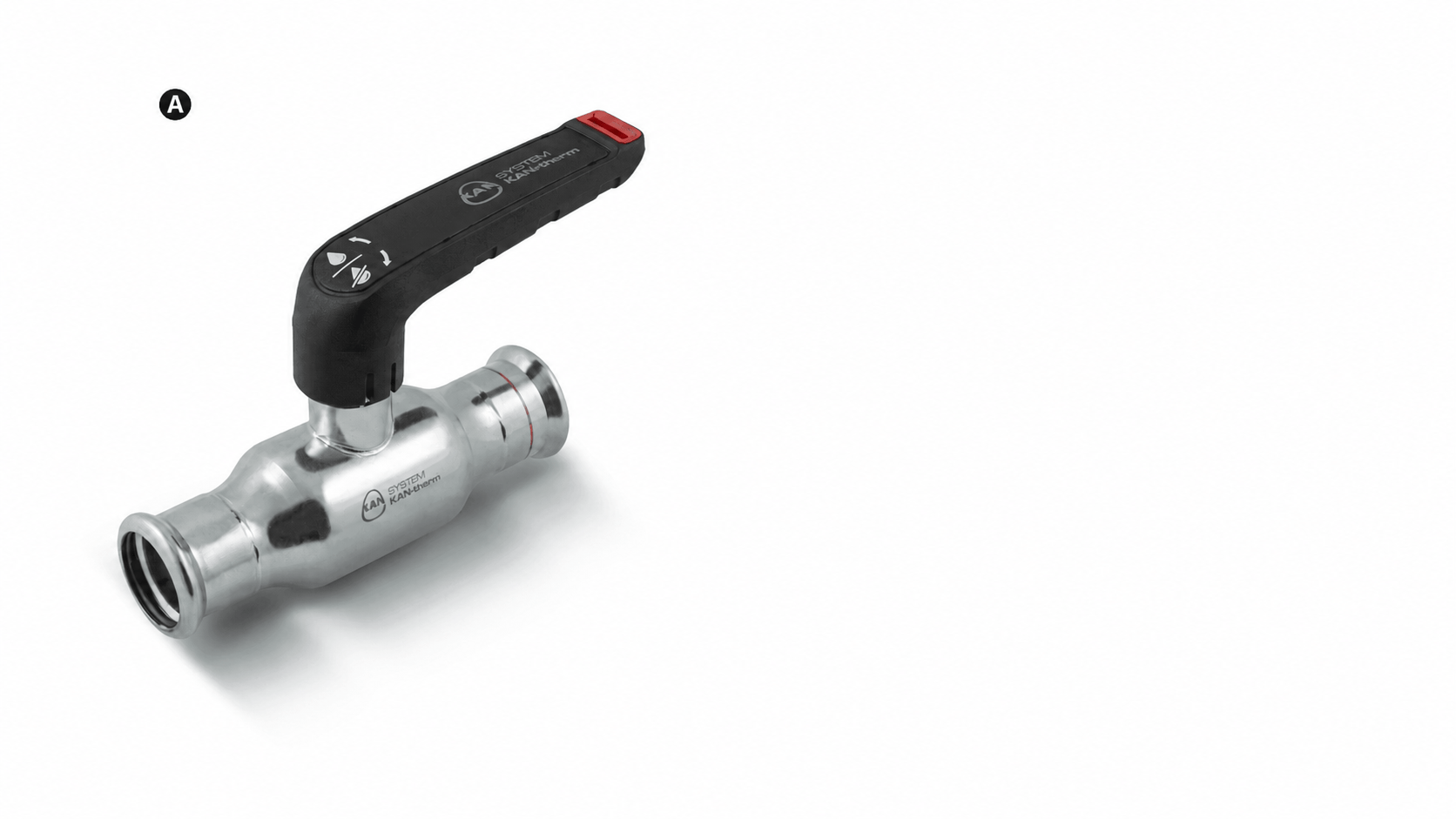
Ball valves are intended for direct assembly on System KAN-therm pipelines using the radial pressing technology in profile “M”.

 Facebook
 LinkedIn
 YouTube
 Instagram
KAN Sp. z o.o.
ul. Zdrojowa 51
16-001 Kleosin
tel. +48 85 74 99 200
e-mail: [email protected]
Centrum Logistyczno-Produkcyjne
ul. Karpińskiego 5
15-569 Białystok
tel. +48 85 74 99 200